Average rating:

4.8/5.0
The Antique Collector's Moving Guide: Protecting Valuable Furniture in Transit
Making Your First Move a Smooth Experience
Rhode Island’s rich history means the state is full of antique collectors, historic homes, and valuable period furniture. Whether you’ve inherited your grandmother’s Federal period chest, spent years hunting for the perfect Victorian settee, or accumulated a collection of Colonial era pieces, your antique furniture represents both significant financial investment and irreplaceable family history.
Moving these treasures is nothing like moving modern furniture from IKEA. Antiques are fragile, valuable, and often one of a kind. The joints are held together with hide glue that can fail under stress. The finishes are delicate and easily damaged. The wood itself has aged for centuries and responds differently to temperature and humidity changes than new furniture.
We’ve moved antiques throughout Rhode Island, from historic East Side Providence mansions to Newport’s Gilded Age estates. Here’s what every antique collector needs to know about protecting valuable furniture during a move.
Why Antique Furniture Requires Special Care
Modern furniture is designed for mass production and transport. It’s built with screws, modern adhesives, and engineered materials that handle movement reasonably well. Antique furniture was handcrafted using traditional joinery techniques that weren’t designed for being loaded onto trucks and driven across Rhode Island.
Joinery and Construction
Period furniture uses mortise and tenon joints, dovetails, and pegged construction held together with hide glue. These joints are strong when the furniture sits stable but vulnerable to stress from lifting and moving. A 200-year-old chest that has sat peacefully in a Newport mansion can suddenly come apart when lifted incorrectly.
Finish Sensitivity
Original finishes on antique furniture include shellac, oil, wax, and early varnishes. These finishes scratch easily, are sensitive to temperature changes, and can be damaged by modern packing materials. What works for protecting contemporary furniture can destroy the patina that makes an antique valuable.
Structural Vulnerabilities
Age creates weaknesses that aren’t always visible. Wood shrinkage over centuries leaves joints loose. Previous repairs might have been done poorly. Woodworm damage or dry rot can compromise structural integrity. Furniture that looks solid might actually be quite fragile.
Value Implications
Damage to antique furniture isn’t just about repair costs. It affects value. A Federal period sideboard worth $15,000 in perfect condition might be worth $5,000 with visible repairs. Refinishing an original surface to fix damage can cut value by 50% or more. Collectors and appraisers can tell the difference between original condition and restored pieces.
Assessing Your Collection Before Moving
Walk through your home and evaluate each antique piece honestly. Which items are truly valuable? Which are sentimental but not particularly fragile? Which require professional handling versus careful DIY moving?
High Priority Pieces
These need professional white glove moving services with specialized antique expertise:
Furniture valued over $5,000 Pieces with original finishes in excellent condition Structurally fragile items with loose joints or previous damage Large case pieces like tall secretaries, corner cupboards, or armoires Items with delicate veneers, inlays, or marquetry Anything irreplaceable due to family history
Medium Priority
These can potentially be moved by experienced general movers with proper instruction:
Sturdy pieces in good structural condition Furniture with newer finishes or previous restoration Items valued between $1,000 and $5,000 Solid wood construction without delicate details
Lower Priority
These you might move yourself with proper technique:
Reproduction furniture made to look old but actually modern Simple solid wood pieces in sturdy condition Items you wouldn’t be devastated to see damaged
Documentation Is Essential
Before moving anything, document your collection thoroughly. This serves multiple purposes: insurance claims if damage occurs, proof of condition for movers, and baseline records for your collection.
Photograph each piece from all angles. Include close-ups of any existing damage, repairs, maker’s marks, or distinguishing features. Date stamp the photos or save them with timestamp metadata.
Written descriptions should include dimensions, wood type, period or maker if known, estimated value, and condition notes. This becomes your moving inventory and insurance documentation.
If you have formal appraisals, ensure they’re current. Most insurance companies require appraisals updated within three to five years. Rhode Island has several qualified antique appraisers who can provide documentation.
Preparing Antiques for Transport
Structural Assessment
Before moving day, inspect furniture for loose joints, damaged legs, or weak points. Tighten what can be safely tightened. Mark weak areas so movers know to provide extra support.
Some pieces benefit from temporary reinforcement. Loose chair legs can be wrapped with padded straps. Drawers that might slide open during transport should be secured (but never with tape directly on wood surfaces).
Cleaning
Gently clean furniture before moving, but use appropriate methods for antiques. Avoid modern furniture polishes on period finishes. A soft, dry cloth removes dust. For stubborn dirt, slightly damp cloths work, but never wet wood surfaces.
Clean furniture is easier to wrap properly and less likely to have dirt ground into finishes during packing.
Drawer and Door Management
Remove drawers from chests and dressers. Wrap them individually and transport separately. This reduces weight, protects drawer interiors, and prevents drawers from sliding during transport.
Secure cabinet doors and secretary fall fronts. Use soft ties or padded straps, never tape directly on wood. Glass doors need special attention with additional padding.
Hardware Protection
Original hardware on antique furniture is often as valuable as the piece itself. Hand-forged hinges, period drawer pulls, and original locks should be protected but not removed unless absolutely necessary.
Wrap protruding hardware with bubble wrap or foam to prevent it from gouging adjacent surfaces during stacking or transport.
Packing Materials for Antiques
The wrong packing materials damage antique finishes. Here’s what works and what to avoid:
Safe Materials:
Acid-free tissue paper for direct contact with wood surfaces Cotton furniture pads and moving blankets Bubble wrap with bubbles facing OUT, never touching wood Foam corner protectors Cardboard edge guards Cotton or canvas straps
Dangerous Materials:
Plastic wrap directly on wood (traps moisture, damages finishes) Tape on wood surfaces (removes finish when removed) Newspaper (ink transfers to wood) Recycled packing materials (might contain contaminants)
Special Considerations for Rhode Island Antiques
Federal Period Furniture
Rhode Island was a furniture making center during the Federal period (1780s to 1820s). Pieces by Rhode Island makers like the Goddard-Townsend family are museum-quality treasures. Federal furniture features delicate inlays, light woods, and refined proportions. These pieces are particularly vulnerable to humidity changes and rough handling.
Newport Furniture
Newport’s historic furniture makers created some of America’s finest Colonial and Federal era pieces. Block front case pieces, shell-carved furniture, and Newport tall clocks are highly valuable and require expert handling. If you own authenticated Newport furniture, use only movers experienced with museum-quality pieces.
Victorian Era Pieces
Rhode Island’s industrial era wealth brought elaborate Victorian furniture into the state. These pieces feature complex carving, multiple wood types, and sometimes fragile applied decorations. While often sturdier than earlier furniture, Victorian pieces need careful handling of ornate details.
Rhode Island Climate Considerations
Rhode Island’s humidity fluctuates dramatically between winter heating season and summer moisture. Antique furniture, especially pieces that have been in climate-controlled environments, responds to these changes.
Avoid moving antiques during extreme weather. Very hot, humid summer days or very cold, dry winter days stress wood. Spring and fall provide more moderate conditions ideal for moving furniture.
If moving must happen during climate extremes, use climate-controlled trucks and minimize time furniture spends exposed to outdoor conditions.
Transportation Techniques
Loading Strategy
Antique furniture should never be stacked like common freight. Each piece needs individual space, proper orientation, and protection from shifting during transport.
Large case pieces travel standing upright with proper bracing. Laying a tall secretary or corner cupboard on its side or back can cause structural failure. Tables travel upside down with legs protected. Chairs need careful stacking with padding between each piece.
Securing for Transport
Furniture must be secured to prevent movement during transport, but not so tightly that securing methods damage finishes or structures. Professional movers use custom bracing and padding systems that hold furniture stable while distributing pressure evenly.
Rhode Island’s roads, from Providence’s pothole-filled streets to rural South County routes, create vibration and jarring during transport. Proper securing prevents damage from these road conditions.
Climate Control
For valuable antiques, climate-controlled transport is worth the additional cost. Temperature and humidity swings during transport can cause wood movement, joint failure, and finish damage.
A one-day move across Rhode Island might seem too short to worry about climate control, but even a few hours in an uncontrolled truck during summer humidity or winter cold stresses antique wood.
Professional Moving for Valuable Pieces
Some antique furniture absolutely requires professional expertise. Specialized moving services that handle museum pieces and fine art understand antique furniture needs.
Look for movers who:
Have specific antique furniture moving experience Can provide references from antique dealers or collectors Use appropriate packing materials and techniques Carry insurance adequate for antique furniture values Understand period furniture construction and vulnerabilities
Interview potential movers. Ask about their experience with your specific furniture types. Request references from Rhode Island antique dealers or local historical societies.
Insurance Coverage
Standard moving insurance doesn’t adequately cover valuable antiques. Basic coverage typically pays cents per pound, which is meaningless for a Federal period sideboard worth $20,000 but weighing only 200 pounds.
You need full replacement value coverage. This costs more but protects your investment. Your homeowner’s insurance might cover antiques during a move, or you might need to purchase separate moving insurance.
Document everything for insurance purposes. Your photographs, written inventory, and appraisals are essential for claims if damage occurs.
What Can Go Wrong
Understanding common antique furniture moving problems helps you prevent them:
Veneer Damage
Veneered surfaces on period furniture are thin and delicate. Improper wrapping can lift veneer. Temperature changes during transport can cause veneer to buckle or separate from substrate wood.
Joint Failure
Lifting furniture from wrong points stresses joints. A sideboard lifted by its top rather than its base can have its top separate from the case. Chair legs break when chairs are dragged rather than lifted.
Finish Damage
Scratches, dents, and finish removal happen when furniture isn’t properly protected or when items shift during transport.
Structural Collapse
Tall case pieces laid flat can collapse under their own weight. Legs can break when furniture tips or falls.
The Role of Professional Craftsmen
Some antique furniture needs professional conservation before moving. Loose joints should be repaired by qualified furniture conservators, not general carpenters. Original glue should be reintroduced to failing joints using traditional techniques.
Rhode Island has several qualified furniture conservators who work with museum pieces and private collections. Investing in pre-move conservation protects your furniture and can actually reduce moving risk.
Special Techniques for Specific Furniture Types
Tall Case Pieces
Secretaries, tall chests, and corner cupboards need careful planning. Some can be disassembled into top and base sections. Others must move as complete units. Door frames on these pieces are particularly vulnerable and need extra bracing.
Tables
Pedestal tables with separate tops should be moved disassembled. Drop leaf tables need leaves supported during transport. Extension tables are best moved with leaves removed and stored separately.
Chairs
Antique chairs are surprisingly difficult to move safely. Legs, especially Queen Anne or Chippendale style carved legs, break easily. Backs can snap. Sets of chairs need individual protection while being moved together to keep sets intact.
Upholstered Furniture
Period upholstered pieces present double challenges: protecting the frame while also protecting potentially fragile original upholstery or valuable reproduction upholstery work.
Piano Considerations
Many Rhode Island antique collectors also own period pianos. These instruments combine furniture value with musical instrument sensitivity. Piano moving specialists understand both the structural furniture challenges and the musical instrument requirements.
Antique square pianos, Victorian uprights, and early 20th century players are both furniture and instruments. They need moving expertise in both categories.
Moving Day Management
Even with professional movers, you should be present during antique furniture moving. Your knowledge of your collection helps movers understand which pieces need extra care.
Point out fragile areas, previous damage, or unusual construction features. Movers can’t know your specific furniture’s vulnerabilities unless you tell them.
Monitor loading and unloading. Ensure proper techniques are used. Don’t hesitate to speak up if you see concerning handling.
At Your New Rhode Island Home
Unpack antiques carefully and allow them to acclimate to your new home’s environment before final placement. Humidity and temperature might differ from your previous home.
Inspect each piece thoroughly upon arrival. Document any new damage immediately while movers are still present. This documentation is essential for insurance claims.
When to Get Expert Help
If you’re uncertain about any aspect of moving your antique furniture, contact professional movers with antique expertise. The cost of professional moving is minimal compared to the cost of damaged or destroyed antiques.
Rhode Island’s antique dealer community can provide referrals to movers they trust with valuable furniture. Local historical societies and museum curators also have relationships with qualified moving companies.
The Bottom Line
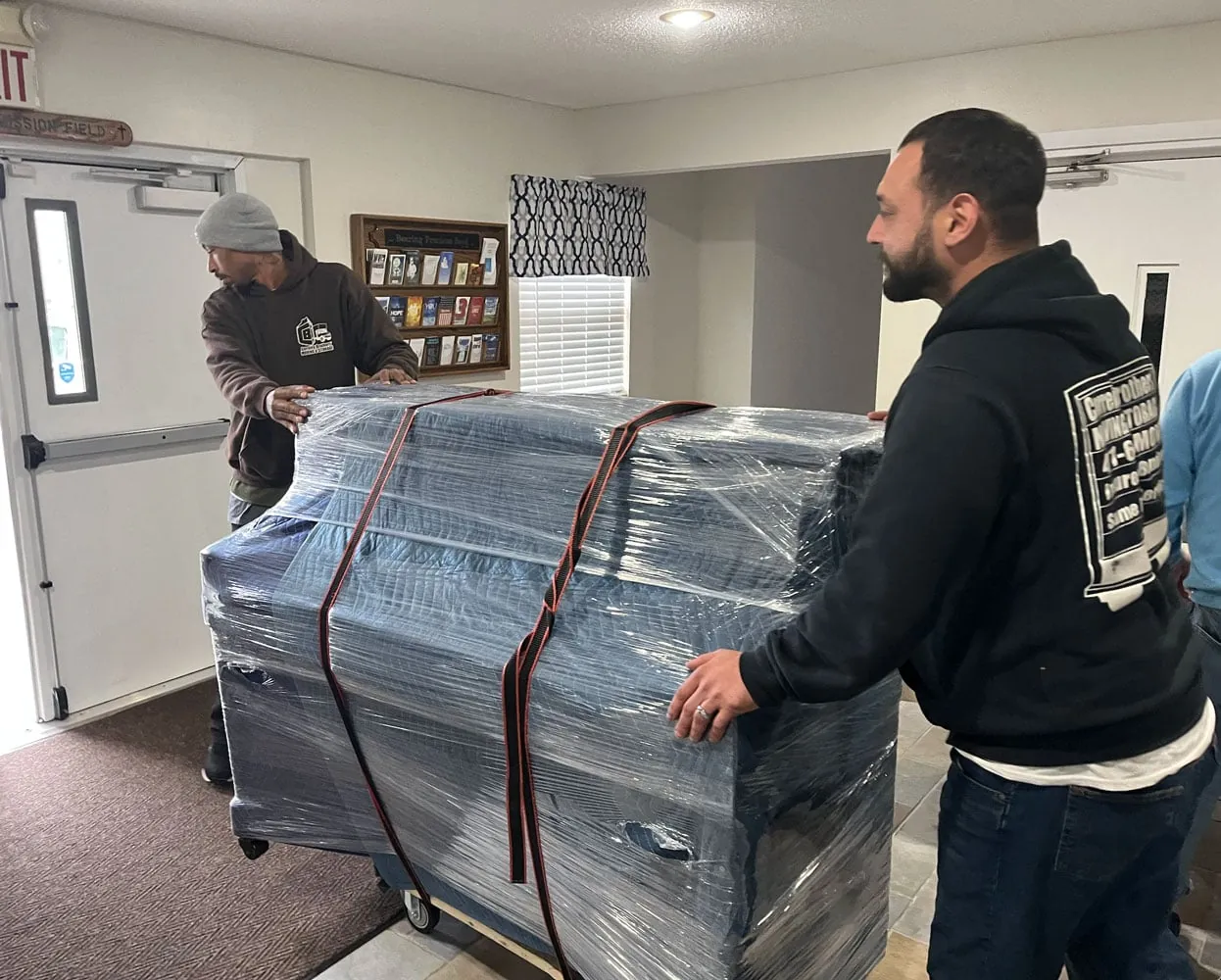
Your antique furniture collection represents history, craftsmanship, and often family heritage. These pieces have survived decades or centuries and deserve careful handling during your move.
Professional expertise, proper materials, appropriate insurance, and careful planning protect your investment. Whether you’re moving within Providence, relocating to Newport, or moving elsewhere in Rhode Island, your antiques can make the journey safely with proper preparation.
The right approach to moving antique furniture means your treasured pieces will be enjoyed in your new home and potentially passed to future generations, continuing their history for years to come.
Sources and further reading: FMCSA: Protect Your Move; USPS: Moving and change of address.