Average rating:

4.8/5.0
Coastal Moving in Rhode Island: Protecting Your Belongings from Salt Air and Humidity
Making Your First Move a Smooth Experience
Rhode Island is the Ocean State for good reason. With over 400 miles of coastline despite being America’s smallest state, water defines Rhode Island living. From Narragansett Bay to Block Island Sound, from Newport harbor to Watch Hill beaches, Rhode Islanders embrace coastal life. But that beautiful proximity to the ocean creates unique challenges when moving and storing belongings that most inland movers never consider.
At Correira Brothers Moving & Storage, we’ve spent years learning exactly what Rhode Island’s coastal climate does to furniture, electronics, and belongings during moves and storage. This specialized knowledge protects your possessions from damage that costs thousands to repair or replace.
What Salt Air Actually Does to Your Belongings
Salt air isn’t just a pleasant ocean breeze. It’s a corrosive force that actively damages materials exposed to it. The salt particles suspended in coastal air settle on surfaces and begin chemical reactions that deteriorate metal, wood, fabric, and other materials.
Metal corrodes faster near the Rhode Island coast than anywhere inland. Furniture with metal components, electronics with metal casings, appliances, tools, and hardware all face accelerated corrosion in coastal environments. What might take years inland happens in months near the ocean.
Wood absorbs moisture from salt-laden air, causing swelling, warping, and eventual deterioration. Antique furniture, hardwood tables, wood-framed artwork, and even plywood packing materials are affected. The salt itself can leave white residue on wood surfaces that damages finishes.
Fabrics and textiles deteriorate in coastal conditions. Upholstered furniture, curtains, clothing, and linens exposed to salt air can develop mildew, discoloration, and weakening of fibers. The combination of salt and humidity creates perfect conditions for deterioration.
Electronics are particularly vulnerable. Salt air corrodes circuit boards, connections, and metal components inside devices. Computers, televisions, audio equipment, and appliances can fail prematurely after exposure to coastal air during moving or storage.
Rhode Island’s Humidity Challenge
Rhode Island’s coastal location means high humidity year-round, but summer humidity reaches oppressive levels. This moisture-saturated air creates problems beyond simple discomfort.
Summer humidity in Rhode Island regularly exceeds 70%, often reaching 80-90% near the coast. This moisture level allows mold and mildew growth, causes wood to swell and warp, softens adhesives, and damages electronics.
Belongings moved during Rhode Island summer absorb moisture rapidly. Furniture loaded into trucks on humid August days soaks up moisture like sponges. This absorbed moisture can cause immediate damage or create conditions for later problems like mold growth.
The challenge intensifies when items move from climate-controlled homes into humid exterior air during loading, sit in trucks or storage without climate control, then return to climate-controlled environments. These humidity transitions stress materials and cause expansion-contraction cycles that damage items.
Winter brings different but equally challenging conditions. Cold, damp winter air still contains moisture. Belongings in non-climate-controlled storage face condensation issues as temperature fluctuates, creating moisture that damages items despite lower absolute humidity.
The Seasonal Home Factor
Rhode Island’s coastal communities from Westerly to Little Compton are full of seasonal homes. Summer residents arrive in May or June and depart in September or October, creating unique moving and storage challenges.
Seasonal residents often leave furniture and belongings in Rhode Island homes through winter. Without climate control during vacant months, items sit in fluctuating temperatures and humidity. Mold growth, wood warping, metal corrosion, and fabric deterioration commonly occur.
Some seasonal residents prefer storing belongings rather than leaving them in vacant homes. This protects against potential break-ins and allows complete home winterization, but requires moving everything into storage twice annually.
The timing of seasonal moves creates concentrated demand. Memorial Day weekend and Labor Day weekend are chaos in Rhode Island coastal towns as seasonal residents arrive and depart simultaneously. Professional movers who understand this schedule plan accordingly.
Protecting Furniture During Coastal Moves
Standard furniture protection used inland isn’t sufficient for Rhode Island coastal moves. The salt air and humidity require enhanced protection measures.
Furniture should be wrapped in breathable but protective materials. Plastic wrap creates moisture traps. Instead, professional movers use specialized furniture pads and covers that protect against salt and moisture while allowing air circulation to prevent condensation.
Wood furniture needs preparation before coastal moving. Applying protective wax or polish creates a barrier against salt air absorption. Drawers should be slightly opened or removed to allow air circulation and prevent moisture-related swelling that makes them impossible to open later.
Upholstered furniture is particularly vulnerable. Professional wrapping with moisture-resistant but breathable covers protects fabric from salt spray during loading and unloading. For long-distance coastal moves, climate-controlled transport is worth the investment for valuable upholstered pieces.
Metal furniture components need corrosion protection. Applying a light coating of protective oil to metal legs, hardware, and frames before moving prevents salt air from initiating corrosion during the move.
Electronics and Appliances: Special Coastal Considerations
Electronics moving in coastal Rhode Island need protection beyond standard packing. The combination of salt air and humidity damages sensitive components.
Electronics should be packed in original boxes when possible. Factory packaging is designed for shipping and provides appropriate protection. When original boxes aren’t available, use anti-static bubble wrap and sealed plastic bags before placing in boxes.
Silica gel packets or other desiccants should be included in boxes with electronics. These moisture absorbers help control humidity inside sealed boxes during transport and storage.
Appliances being moved along the coast need special preparation. Refrigerators and freezers must be thoroughly cleaned and dried, with doors left slightly open if being stored. Water heaters and washing machines should be completely drained. Any trapped moisture will cause corrosion and mold growth.
Climate-controlled transport for high-value electronics isn’t optional in Rhode Island coastal moves—it’s essential. The temperature and humidity control protects investments in computers, audio-visual equipment, and appliances.
The Block Island Challenge
Moving to or from Block Island presents unique coastal moving challenges that mainland Rhode Island moves don’t face.
Everything going to Block Island must be transported by ferry. This adds complexity, cost, and timing challenges. Ferry space for vehicles must be reserved well in advance, especially during summer months when ferries are fully booked.
Ferry schedule restrictions limit moving windows. Ferries run on fixed schedules with limited truck capacity. Missing your reserved ferry time can mean waiting hours or even until the next day for another crossing.
Salt exposure during Block Island ferry transport is intense. The ferry ride exposes belongings to direct salt spray from the ocean. Extra protective wrapping is essential for anything being transported to the island.
Block Island’s roads and many properties have limited access for large moving trucks. Smaller vehicles and multiple trips are often necessary. Some remote island properties can only be reached by four-wheel drive vehicles, making professional moving services essential.
Weather affects Block Island moving more than mainland moves. High winds, rough seas, and fog can delay or cancel ferry service. Planning buffer time into Block Island moving schedules prevents missed ferries from derailing entire moves.
Climate-Controlled Storage: Non-Negotiable for Coastal Rhode Island
Standard storage units without climate control are inadequate for Rhode Island coastal areas. The salt air and humidity penetrate standard storage units, damaging contents.
Our climate-controlled storage facilities maintain consistent temperature and humidity levels year-round. This protection is essential for furniture, electronics, documents, clothing, and virtually everything else stored in coastal areas.
Climate control prevents mold and mildew growth that destroys fabric, paper, and leather. It stops wood from warping and metal from corroding. It keeps electronics functional and adhesives from deteriorating.
The cost difference between climate-controlled and standard storage is modest compared to replacing damaged belongings. A few hundred dollars extra per year in storage costs is nothing compared to thousands in damaged furniture or ruined electronics.
Packing Materials Matter in Coastal Environments
The materials used for packing make enormous difference in coastal Rhode Island moves.
Cardboard boxes absorb moisture in humid coastal air. Boxes that seem sturdy when packed can weaken during humid Rhode Island summers, potentially collapsing under weight. Using reinforced boxes or plastic containers for valuable items adds protection.
Standard packing paper works for inland moves but can absorb humidity in coastal areas. For valuable items, acid-free packing paper resistant to moisture provides better protection.
Bubble wrap must be used carefully. While it provides cushioning, it can trap moisture against items. For coastal moves, items should be wrapped in acid-free paper first, then bubble wrap, preventing direct contact between plastic and valuable surfaces.
Our professional packing services use materials specifically selected for Rhode Island’s coastal conditions. We understand which materials work in high-humidity, salt-air environments and pack accordingly.
The Watch Hill and Coastal Westerly Experience
Watch Hill represents Rhode Island coastal living at its finest. Grand homes line the oceanfront, and seasonal residents expect impeccable service for their valuable belongings.
Access to many Watch Hill properties is challenging. Narrow streets designed for horse-drawn carriages make modern moving truck maneuvering difficult. Many properties require special permits for moving trucks.
The extreme proximity to salt water in Watch Hill means protective measures must be maximized. Homes literally feet from the ocean expose everything to concentrated salt spray. Extra wrapping, climate-controlled transport, and rapid loading minimize exposure.
Watch Hill residents often own high-value furnishings and artwork requiring white glove delivery services. Standard moving isn’t appropriate for homes filled with museum-quality pieces and designer furniture.
Narragansett and South County Coastal Moves
The southern Rhode Island coast from Narragansett to Charlestown sees heavy seasonal resident traffic. Summer beach homes require twice-annual moves or year-round storage.
Many South County beach homes sit directly on the water. Salt spray reaches these properties during storms and high winds, making protective wrapping during moves essential.
Access to beach properties can be limited. Some homes require traversing narrow lanes barely wide enough for moving trucks. Others sit on dead-end roads where turning trucks around is impossible, requiring careful planning.
South County has strict beach access and parking restrictions. Moving companies unfamiliar with local regulations might find themselves unable to access properties during prime beach season.
Newport’s Unique Coastal Moving Environment
Newport combines historic preservation requirements with intense coastal exposure, creating perhaps Rhode Island’s most challenging moving environment.
Ocean Drive properties face full Atlantic exposure. The constant salt spray and ocean winds accelerate corrosion and deterioration of anything exposed during moves.
Historic preservation rules in Newport affect how moves can be conducted. Damaging historic architectural features during moves can trigger preservation compliance issues beyond simple repair costs.
Newport’s tourist season creates logistics nightmares for summer moves. Streets clogged with tourists, limited parking, and traffic restrictions make moving during high summer season extremely challenging.
Post-Move Care for Coastal Properties
After moving into Rhode Island coastal properties, ongoing care protects belongings from continued salt and humidity exposure.
Furniture should be inspected regularly for salt residue or corrosion. Wiping down surfaces and metal components prevents long-term damage.
Electronics benefit from dehumidifiers in coastal homes. Keeping indoor humidity below 50% year-round protects sensitive equipment.
Regular cleaning and maintenance of all belongings becomes more important in coastal environments. What might last years with minimal care inland requires active maintenance near Rhode Island’s ocean.
Your Rhode Island Coastal Move Requires Expertise
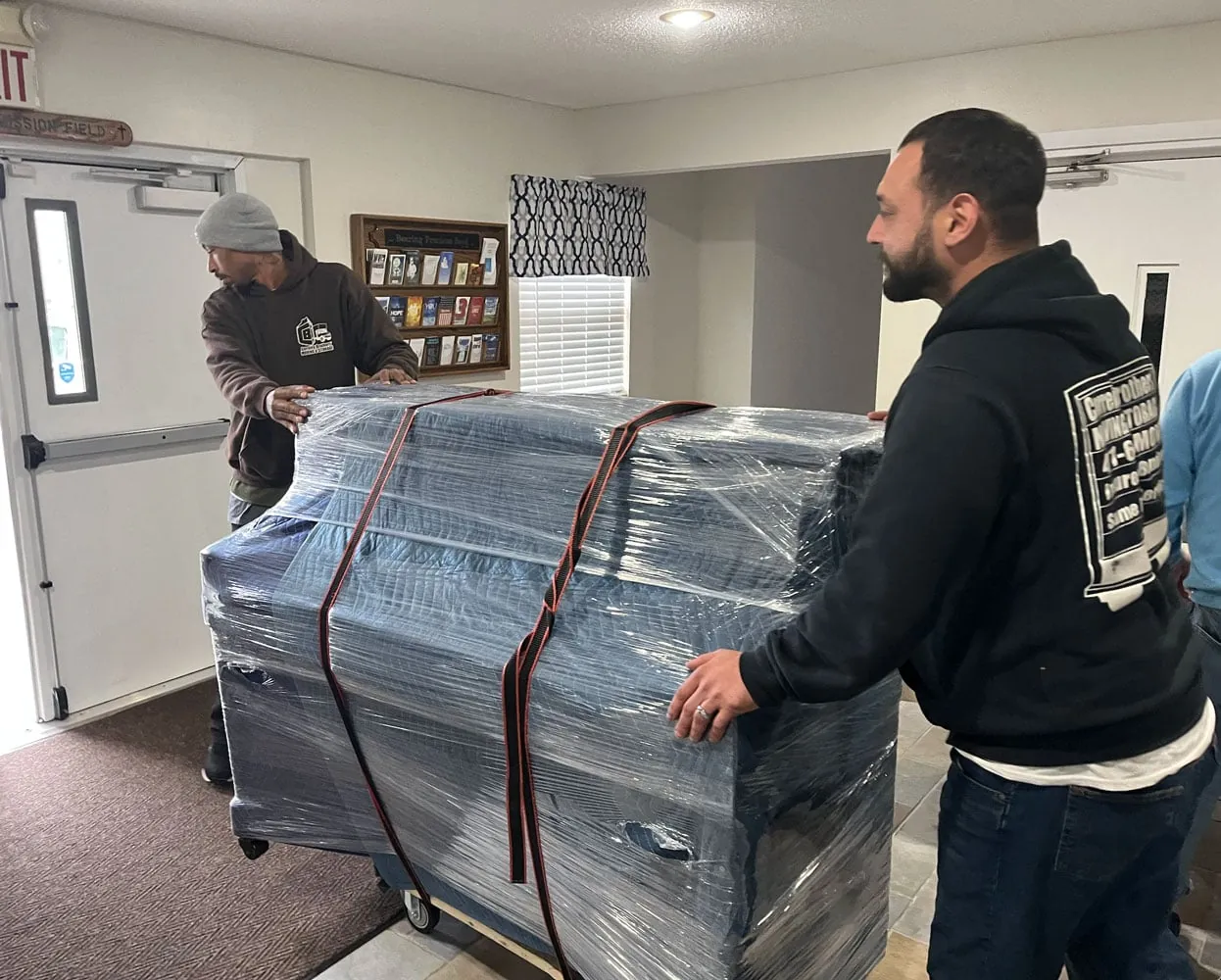
Moving in Rhode Island’s coastal environment isn’t the same as moving anywhere else. The combination of salt air, humidity, and seasonal considerations creates challenges requiring specialized knowledge and equipment.
Whether you’re moving to a seasonal home in Watch Hill, relocating to a year-round residence in Newport, moving to Block Island, or storing belongings while your coastal property is vacant, protecting your possessions from Rhode Island’s coastal conditions requires professional expertise.
At Correira Brothers, we’ve developed specific protocols for coastal Rhode Island moves. Our crews understand what this environment does to belongings and take appropriate protective measures.
Ready to plan your Rhode Island coastal move? Contact Correira Brothers today. We’ll protect your belongings from salt air and humidity while handling all the logistics of your coastal relocation. Trust Rhode Island’s moving experts who understand Ocean State conditions.
Sources and further reading: FMCSA: Protect Your Move; USPS: Moving and change of address.